
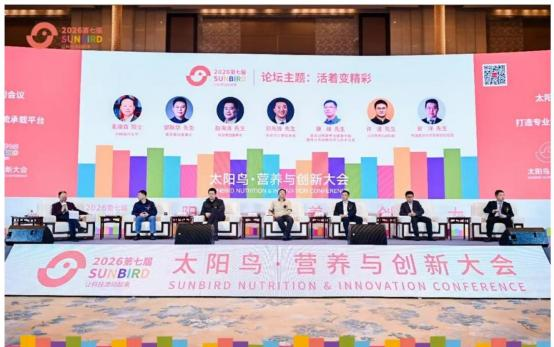
In 2026, with the release of research from the Sunbird Conference and the concentrated display at the Nanchang Feed Exhibition, the trace element industry is accelerating its transformation from “Nutritional supplements” — the focus is shifting towards “functional applications.” Both academia and the market are sending a clear signal: the value of trace elements is moving from the amount added to their effects.
At this year’s Sunbird Conference, research on key trace elements such as iron, copper, and zinc has shown a clear trend toward functionalization. For example, the application of functional peptides integrated with iron in improving sow reproductive performance, the mechanism research of dextran iron in immune regulation, and the exploration of nano copper and zinc in gut health all indicate that the research focus has shifted from ‘how much to supplement’ to ‘what role to play.’ In particular, the application research of ferrous sucrose in breeding sows and growing-finishing pigs further reflects that iron sources are evolving toward multiple forms and multiple functions.
Market Transformation at Nanchang Exhibition
Meanwhile, the Nanchang exhibition revealed more direct market changes. Several mineral companies launched small peptide chelated trace element products, signifying that this technology has entered the stage of large-scale application. Industry competition has also shifted from simply “whether or not an enterprise possesses organic products” to a comprehensive comparison of “absorption efficiency, stability and application effect.”
Multiple Technological Pathways in Parallel
From an overall perspective, the development of trace elements is showing a trend of multiple technological pathways operating in parallel. Organic trace elements, represented by small peptide chelation, emphasize high absorption rates and low emissions; while glyco-complexed iron, represented by ferrous sucrose, has advantages in terms of gentle absorption and immune support. Different products will complement each other in different stages and scenarios, driving the development of trace elements from single raw materials to combined solutions.
Application Value of Small Peptide Chelation
Against this backdrop, the application value of small peptide chelation of trace elements is gradually becoming apparent. Through the stable complexation of mineral elements by small molecule peptides, antagonistic effects in the digestive tract can be effectively reduced, improving utilization efficiency while also ensuring processing stability and formulation compatibility. These products help achieve “low additives, high efficiency.” This nutritional strategy aligns with the current development trend of green farming and precision nutrition.
Industry Outlook: From Quantity to Quality
Overall, the trace element industry is currently undergoing a transformation from a focus on “quantity” to a crucial stage in the shift towards “quality.” Organic trace elements will not completely replace traditional products, but will continue to penetrate mid-to-high-end and functional applications. In the future, companies that can effectively combine product performance with practical application scenarios and provide data and solution support will occupy a more advantageous position in industry upgrading.
Post time: May-14-2026


