
Small Peptide Chelated Minerals vs. Inorganic Trace Minerals
Deciphering Bioavailability, Intestinal Transport Kinetics, Antagonism Mitigations, and True Cost-Per-Unit-Absorbed for Commercial Feed Mill Formulations.
Formulator's Verdict: Navigating Bioavailability vs. Cost Performance
Executive Takeaway: Small peptide chelated minerals (SPM) utilize distinct enzymatic carrier peptide transport pathways (PepT1/PepT2) that directly bypass typical ion-channel mucosal competition, offering up to 3x higher relative biological availability over traditional metal salts. However, in bulk commercial feed for late-finishing livestock, market economics dictate strict cost-per-ton parameters. For non-stressed, cost-sensitive production phases, high-purity inorganic trace minerals remain a logical, highly stable baseline. The formulation decision should not be binary; it is determined by developmental stage stress, immune challenges, and dietary antagonist loads (phytate, fiber, sulfur, molybdenum).
What Exactly Are Small Peptide Chelated Minerals (SPM)?
A structural breakdown of transport kinetics, chelation stability constants, and intestinal uptake pathways compared against amino acid chelates and monomeric metal salts.
Small Peptide Chelates (SPM)
Coordination complexes where metal ions (Zn, Cu, Fe, Mn) are bound via coordinate-covalent bonds to di- and tri-peptides (chain length 2-3 amino acids, molecular weight < 500 Da). Absorbed intact via the active PepT-1 transporter without mucosal ion competition or gastric dissociation.
- High log K stability (resistant to pH 2.0-7.5)
- No free metal ions to catalyze vitamin oxidation
- Complete mucosal cell crossing
Glycine / Single Amino Acid Chelates
Monomer chelates bound primarily to a single amino acid (e.g., bis-glycinate). While far superior to inorganic salts, they partly utilize competitive basic amino acid transporters (y+ system) and carry a lower steric molecular envelope compared to structured oligopeptides.
- Susceptible to saturation of amino acid carriers
- Moderate stability across variable gut pH
- Proven bioavailability improvements
Inorganic Trace Minerals (ITMs)
Standard mineral salts (sulfates, oxides, chlorides) dissociating completely in the acidic stomach into free hydrated cations (Cu²⁺, Zn²⁺, Fe²⁺). They rely solely on competitive divalent metal transporters (DMT-1) and readily precipitate with phytates and silicates.
- Lowest upfront purchasing cost per metric ton
- High pro-oxidant risk against dietary lipids & vitamins
- High fecal excretion and environmental footprint
Certified Reliability: The SUSTAR SPM Standard
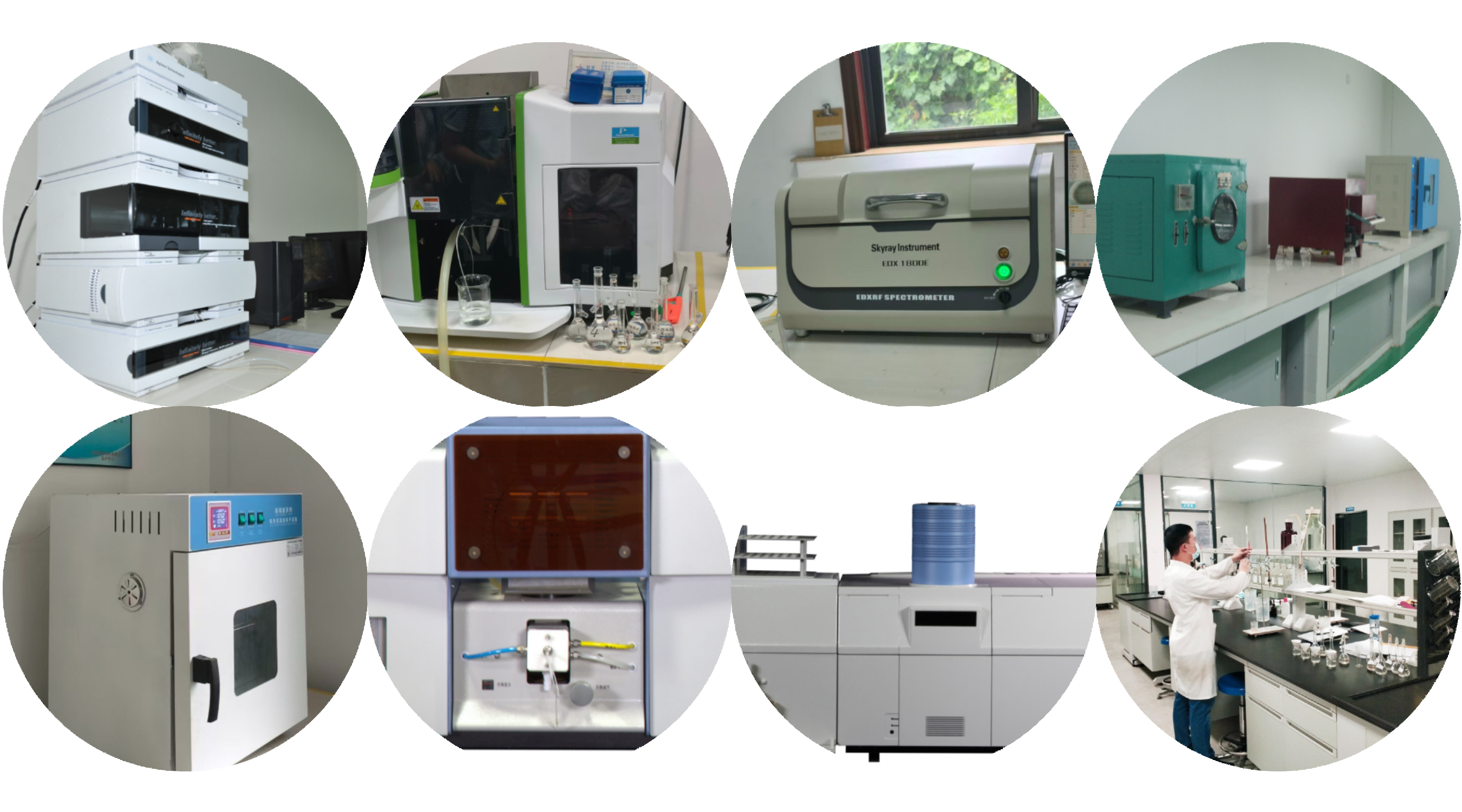
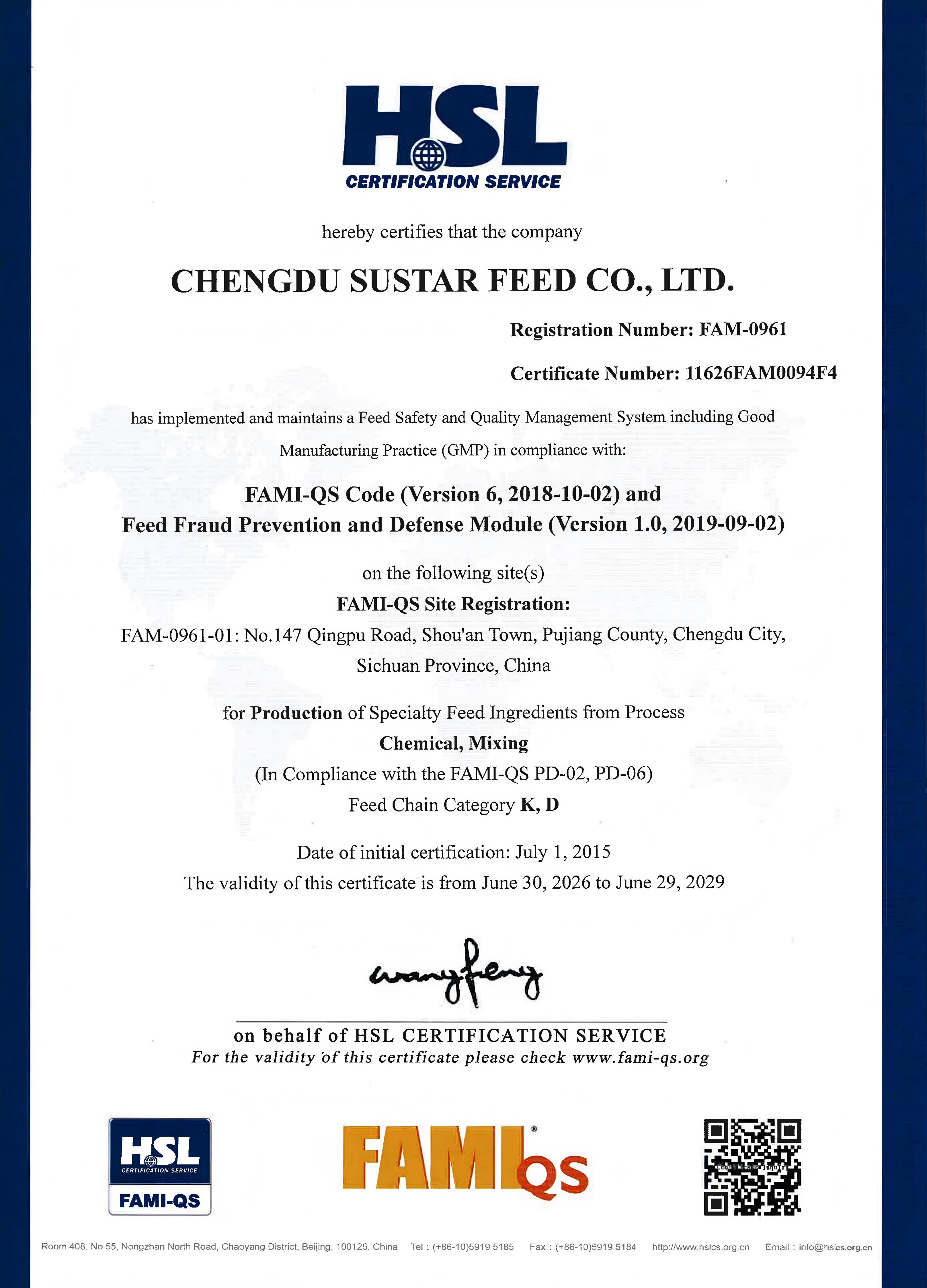
SUSTAR's specialized small peptide chelated minerals are manufactured under rigorous FAMI-QS, ISO 9001, ISO 22000, and GMP+ operational protocols. Chelation percentage (Q value), coordination ratios, and molecular mass distributions are systematically validated through advanced PerkinElmer atomic absorption and Agilent HPLC systems, offering completely auditable, third-party verifiable batch certificates.
Inorganic vs. Standard Organic vs. Small Peptide Chelates
A side-by-side technical evaluation across cost dynamics, biological efficacy, antagonism resilience, and optimal target animal phases.
| Evaluation Parameter | Inorganic Trace Minerals (ITM) | Organic / Glycinates | Small Peptide Chelated (SPM) |
|---|---|---|---|
| Absorption Mechanism | Ion-specific carrier pathways (DMT-1); non-specific mucosal diffusion | Amino acid transporters; partially dissociated mucosal diffusion | Intact oligopeptide active transport (PepT1 / PepT2) |
| Relative Bioavailability | 100% (Industry Baseline) | 140% - 170% | 185% - 240% |
| Phytic Acid & Antagonism Sensitivity | Extreme: Insoluble precipitation with phytic acid, fibers, Ca, & S | Moderate: Partial dissociation in the duodenum | Negligible: Steric hindrance shields central metal cation |
| Premix Vitamin Stability Impact | High Pro-Oxidation: Accelerates oxidation of Vitamins A, D3, E | Low: Coordinate bond limits free radicals | Virtually Zero: Non-reactive chelate matrix preserves sensitive vitamins |
| Unit Cost per Metric Ton | Lowest upfront raw material price | Intermediate (2.5x - 3.5x ITM) | Premium (3.0x - 4.5x ITM, offset by lower inclusion rate) |
| Recommended Animal Stages | Late-phase broilers, finishing swine, adult ruminant base maintenance | Sow reproduction, broiler starter, commercial layer shells | Weaned piglets (gut barrier integrity), aquaculture larvae/shrimp, high-yield dairy, heat-stressed poultry |
Strategic Sourcing Flexibility: Sustar does not force a single methodology. We are one of Asia's few primary manufacturers with parallel high-capacity lines producing both industrial-grade inorganic trace minerals (Copper Sulfate, Zinc Sulfate, Ferrous Sulfate, Manganese Sulfate) and certified advanced organic trace minerals. Feed mill formulators can source their baseline inorganics and premium peptide chelates in consolidated single-supplier container shipments.
Three Critical Pitfalls Feed Mills Face When Switching to SPM
Avoid substantial economic loss, nutritional discrepancies, and regulatory roadblocks by inspecting these operational checkpoints.
Deceptive "Chelation Rate" Reporting
Many suppliers report theoretical synthesis rates rather than actual bond stability under gut conditions. Inorganic salts simple mechanically blended with hydrolyzed soy protein are frequently passed off as true chelates.
Premix Matrix Incompatibility
In highly acidic concentrated premixes containing organic acidifiers (formic, propionic, citric acids), inferior peptide chelates can experience proton displacement, causing the metal bond to rupture and revert into free inorganic ions.
Regulatory Discrepancies & Maximum Limits
Mineral limits in the EU (EFSA) and Southeast Asian markets (e.g., Vietnam, Philippines, Indonesia) differ vastly regarding total copper and zinc inclusions. Registering small peptides as pure organic chelates requires specific traceability records.
SUSTAR Industrial Infrastructure & Research Authority
Combining 35 years of chemical synthesis precision, institutional research backing, and 5 global production hubs.
Advanced Analytical Testing & Research Base
The Xuzhou Lanzhi Biotechnology Research Institute, established through a collaboration between Sichuan Agricultural University, the Tongshan District Government, and the Xuzhou Animal Nutrition Research Institute, serves as our technical anchor. Led by Professor Yu Bing alongside more than 30 nutritionists and chemical analysts, we translate biological nutrition models into stable industrial mineral technologies.
Our internal facilities house PerkinElmer atomic absorption spectrometers, Agilent HPLC liquid chromatographs, and Skyray energy-dispersive X-ray fluorescence systems. Every single production batch is verified for purity, chelation stability, heavy metal thresholds, dioxins, and PCBs.
Empowering Animal Nutrition Every Day
See inside our intelligent chemical processing facilities, high-shear chelation synthesizers, and fully automated packaging lines.
Certified Traceability Verification
Complete compliance profiles for export to European Union, North American, Latin American, and Asian feed operations.


Integrated Mineral Portfolio for Feed Mill Formulation
From monomer salts to hydroxychlorides and bioactive small peptides: streamline your raw material procurement with one audited manufacturer.
Monomer Inorganic Salts
Standard-grade and micro-prill essential salts engineered with excellent fluidity and low free-acid profiles.
Hydroxychloride Series
Crystalline basic trace salts exhibiting covalent characteristics, insoluble at neutral pH to safeguard vitamins in storage.
Organic & Peptide Chelates
High-affinity biological structures targeting optimal tissue deposition and reduced fecal heavy metal emissions.
Trusted Decades-Long Strategic Supplier to Industry Giants
SUSTAR maintains close supply-chain and cooperative formulation engagements with CP Group, Cargill, DSM, ADM, De Heus, Nutreco, New Hope, Haid Group, Tongwei, and over 2,300 global feed mills.

Request Technical Dossiers, Chelation Validation & FAMI-QS Certificates
Whether you need bulk container shipments of verified high-purity inorganic sulfates or seek to upgrade stressed nursery feeds with small peptide chelates (SPM), our nutritional chemistry specialists are ready to provide full batch testing documentation.


