

Glycerol Monolaurate (GML) Feed Additive | Alpha-GML 45% 50% 60% Feed Grade SUSTAR
Product Introduction
Glycerol Monolaurate (GML) is a monoglyceride of a medium-chain fatty acid formed by esterification of lauric acid with glycerol. Lauric acid occurs naturally in breast milk, coconut oil and palm kernel oil, and can be further converted to GML during digestion. The product combines antibacterial, preservative and emulsifying functions.
Isomers and Mechanism
GML has two positional isomers: α-GML (1-monolaurin) and β-GML (2-monolaurin). α-GML is the active form commonly used in feed products worldwide (β-GML is more readily re-esterified to triglycerides after entering intestinal epithelial cells, so its antibacterial activity persists for a shorter period). Through its lipophilicity, GML can insert into bacterial or viral membranes and disrupt the lipid bilayer, causing loss of membrane integrity. During synthesis, β-GML, diglycerides, triglycerides and other by-products may be formed. Most commercial products are mixed esters with relatively low monoglyceride purity and α-GML proportion, so the actual active content may not match the declared content.
Product Specifications
This product uses glycerol and coconut-oil-derived lauric acid as raw materials. After esterification, the material is purified by molecular distillation, processed into powder in a spray tower, and then adsorbed and diluted with a porous silica carrier. The purified base powder contains about 94% monoglycerides (base-powder basis: α-GML ≥90%, β-GML 3%-4%; the sum is the monoglyceride content), meaning α-GML accounts for over 95% of total monoglycerides. Finished products are available in 45%, 50% and 60% grades. All three use the same base powder, α-GML ratio and production process; only the carrier dilution ratio differs.
Production Process
Glycerol + lauric acid (from coconut oil) → esterification → buffering and stabilization → molecular distillation purification → spray-tower powdering → porous silica adsorption and dilution → finished-product packaging.
Quality is controlled at every stage.
Product Specifications

Product Features
1. High α-GML proportion.
The base powder contains α-GML ≥90% and β-GML 3%-4% (determined by gas chromatography, base-powder basis). α-GML accounts for more than 95% of total monoglycerides, so the active form predominates.
2. High purity of base powder.
Purification by molecular distillation gives a monoglyceride content of about 94%, with low levels of diglycerides, triglycerides and other by-products, clearly distinguishing it from commercial mixed esters.
3. Powder Processing and Carrier Technology.
The waxy base material is processed into a stable powder in a spray tower; it cannot be effectively processed using conventional grinding equipment. The powder is uniformly distributed within the pores of the porous silica carrier, helping minimize batch-to-batch variation.
4. Good flowability and dispersibility.
The product resists caking, wall sticking and bridging, making it suitable for automatic dosing systems. It disperses readily in premixes and compound feeds, helping maintain mixing uniformity even at low inclusion rates.
5. Wide Applicability.
Antibacterial activity remains stable at pH 4-8, and GML can remain in monoglyceride form in the stomach and proximal small intestine. Its mode of action differs from that of antibiotics, with a low risk of inducing conventional antibiotic resistance. It is not classified as an antibiotic and generally requires no withdrawal period (subject to local regulations). It can be used with acidifiers, organic acids, essential oils, probiotics and enzymes. No incompatibility has been observed under normal use, but prolonged mixing with strongly alkaline materials should be avoided.
Product Benefits
Antibacterial activity.
GML has a broad antibacterial spectrum and is one of the most active antimicrobial fatty-acid derivatives. In vitro, it shows particularly strong activity against Gram-positive pathogens such as Staphylococcus aureus, Streptococcus spp., Listeria spp. and Clostridium perfringens. It acts by inserting into bacterial cell membranes, causing membrane disruption or pore formation, and by uncoupling oxidative phosphorylation, ultimately leading to bacterial death. In vitro antibacterial spectrum is not identical to in vivo microbiota changes: animal studies commonly report that Gram-positive beneficial bacteria such as Lactobacillus and Bifidobacterium do not decrease and may increase, which is generally attributed to differences in bacterial sensitivity and competitive exclusion in the intestine.
Activity against enveloped viruses.
Its lipophilic structure enables insertion into the lipid bilayer of viral envelopes, damaging envelope integrity and reducing infectivity. Published literature reports in-vitro inactivation or inhibition of enveloped viruses, including influenza virus, herpesvirus and African swine fever virus, by GML and its hydrolysis product lauric acid. Reports concerning PRRS and porcine epidemic diarrhea in production settings are mainly field observations and require further in-vivo validation.
Antitoxin and anti-inflammatory effects.
GML can inhibit the synthesis of exotoxins such as staphylococcal enterotoxins and toxic shock syndrome toxin-1 (TSST-1), and reduce pro-inflammatory mediators such as interleukin-8 (IL-8) and tumor necrosis factor-α (TNF-α), thereby alleviating inflammatory responses. In some fish studies, immune-related genes are instead upregulated, indicating an overall immunomodulatory rather than simply immunosuppressive effect.
Rapid energy supply.
As a medium-chain fatty-acid derivative, most lauric acid released by hydrolysis enters the liver directly through the portal vein and is less dependent on carnitine-mediated transport than long-chain fatty acids. It can therefore be oxidized relatively quickly for energy and is less prone to accumulation, making it suitable for suckling and young livestock and poultry.
Improved intestinal health.
GML can increase the proportion of beneficial bacteria such as Lactobacillus, Bifidobacterium and butyrate-producing bacteria, while reducing Gram-negative bacteria such as Escherichia coli and Salmonella mainly through indirect mechanisms involving competitive exclusion and improved intestinal barrier function. It also increases the villus-height-to-crypt-depth ratio and improves intestinal morphology.
Improved production performance.
Its emulsifying action promotes digestion and absorption of dietary fat. GML may increase average daily gain, reduce feed conversion ratio (FCR) and diarrhea incidence, and improve meat and egg quality.
Our Superiority
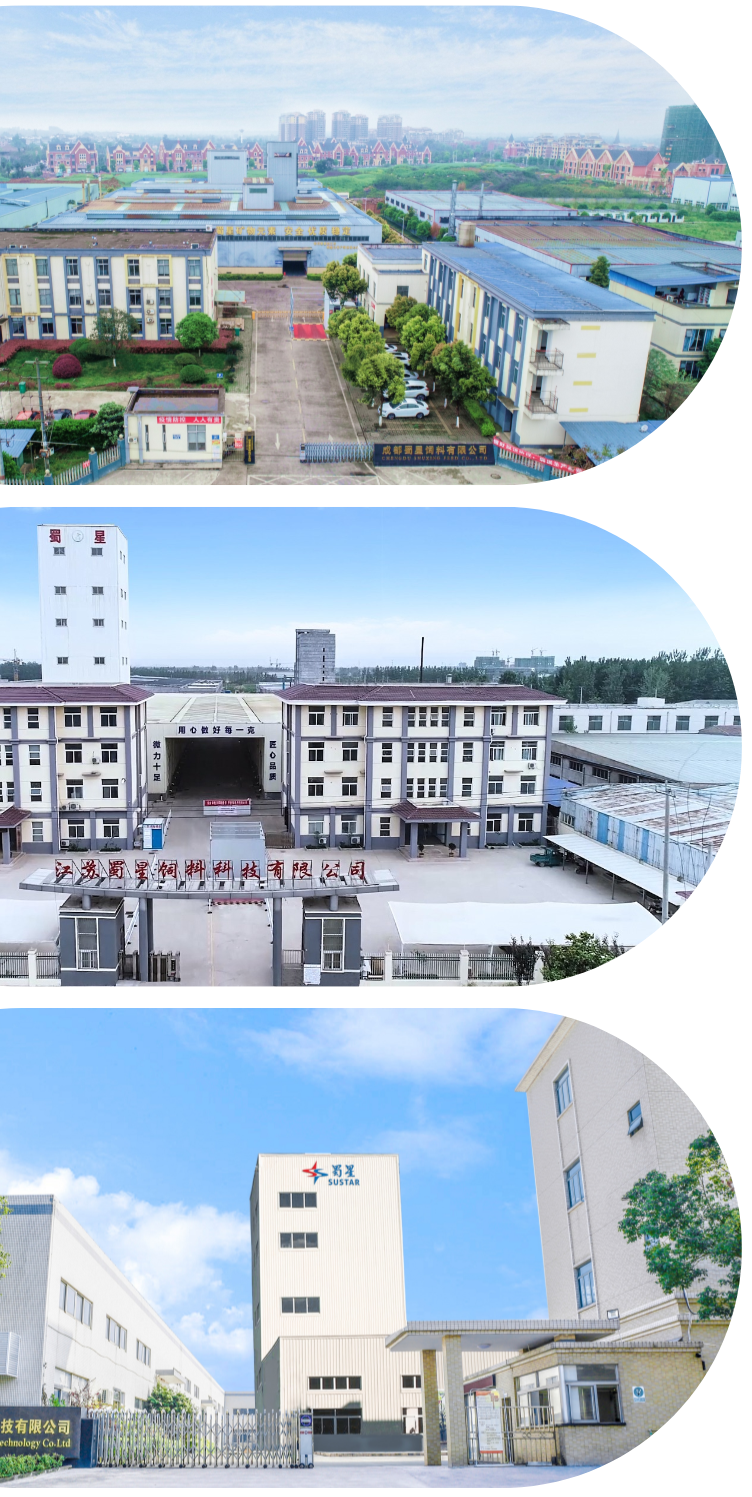
A Reliable Partner
Sustar group has decades-long partnership with CP Group, Cargill, DSM, ADM,Deheus ,Nutreco,New Hope ,Haid,Tongwei and some other TOP 100 big feed company.

Research and Development Capabilities
SUSTAR has its own R&D team, perfect testing technology and testing process, and is committed to providing customers with the highest quality products

Integrating the talents of the team to build Lanzhi Institute of Biology
In order to promote and influence the development of livestock industry at home and abroad, Xuzhou Animal Nutrition Institute , Tongshan District Government, Sichuan Agricultural University and Jiangsu Sustar, the four sides established Xuzhou Lianzhi Biotechnology Research Institute in December 2019.
Professor Yu Bing of Animal Nutrition Research Institute of Sichuan Agricultural University served as the dean, Professor Zheng Ping and Professor Tong Gaogao served as the deputy dean. Many professors of Animal Nutrition Research Institute of Sichuan Agricultural University helped the expert team to accelerate the transformation of scientific and technological achievements in the animal husbandry industry and promote the development of the industry.
As a member of the National Technical Committee for Standardization of Feed Industry and the winner of China Standard Innovation Contribution Award, Sustar has participated in drafting or revising 13 national or industrial product standards and 1 method standard since 1997.
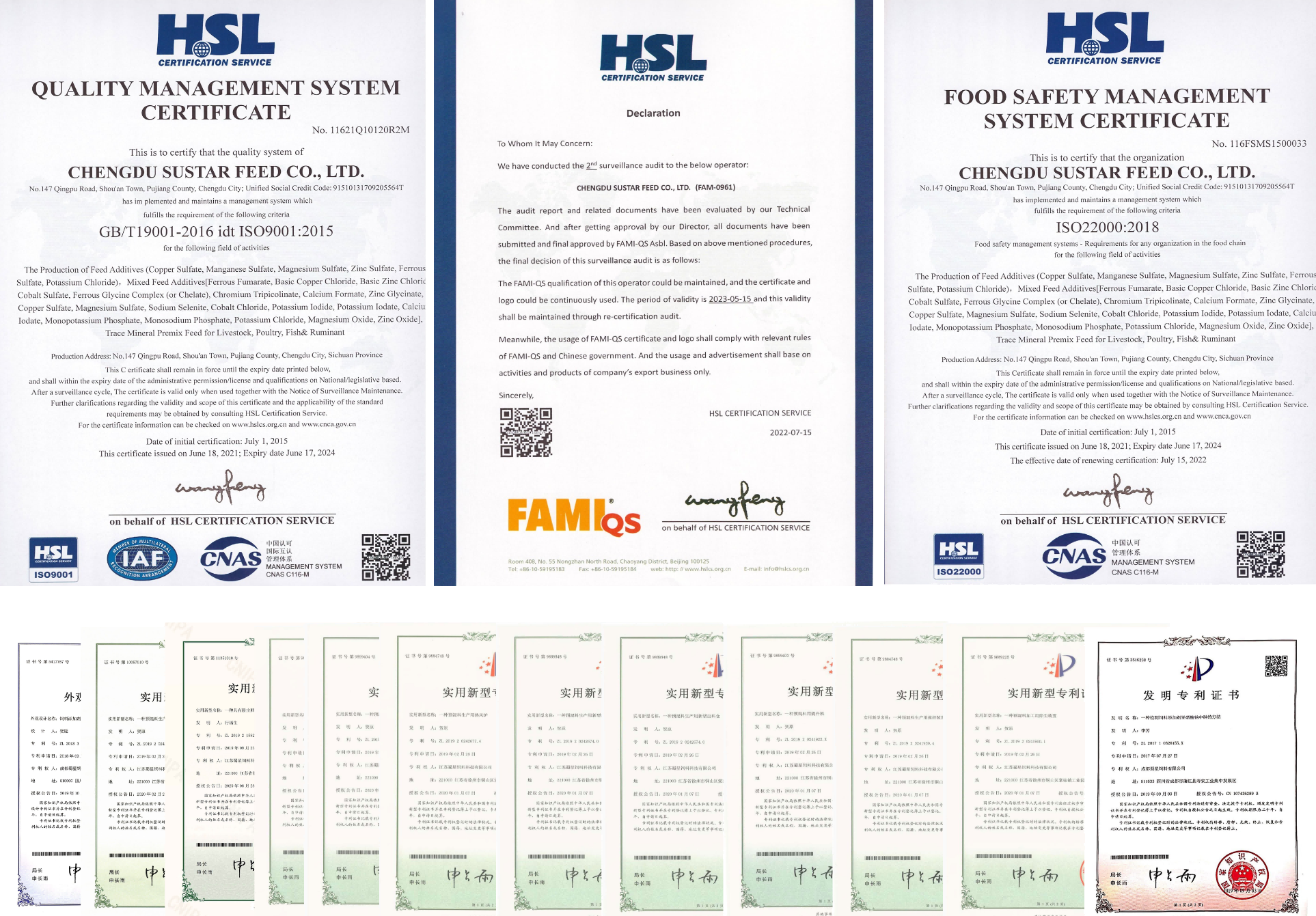
Sustar has passed the ISO9001 and ISO22000 system certification FAMI-QS product certification, obtained 2 invention patents, 13 utility model patents, accepted 60 patents, and passed the "Standardization of intellectual property management system", and was recognized as a national-level new high-tech enterprise.
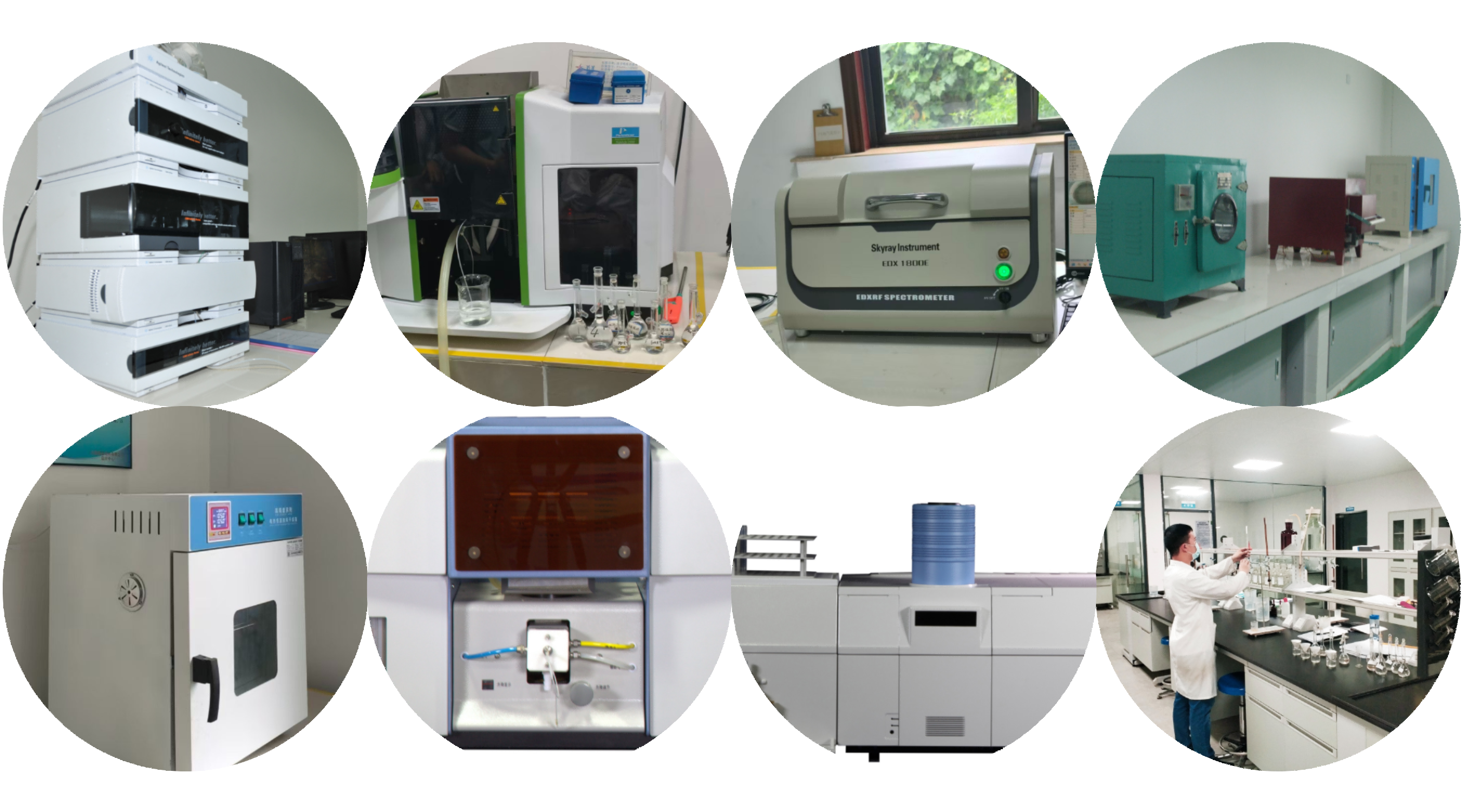
Our premixed feed production line and drying equipment are in the leading position in the industry. Sustar has high performance liquid chromatograph, atomic absorption spectrophotometer, ultraviolet and visible spectrophotometer, atomic fluorescence spectrophotometer and other major testing instruments, complete and advanced configuration.
We has more than 30 animal nutritionists, animal veterinarians, chemical analysts, equipment engineers and senior professionals in feed processing, research and development, laboratory testing, to provide customers with a full range of services from formula development, product production, inspection, testing, product program integration and application and so on.
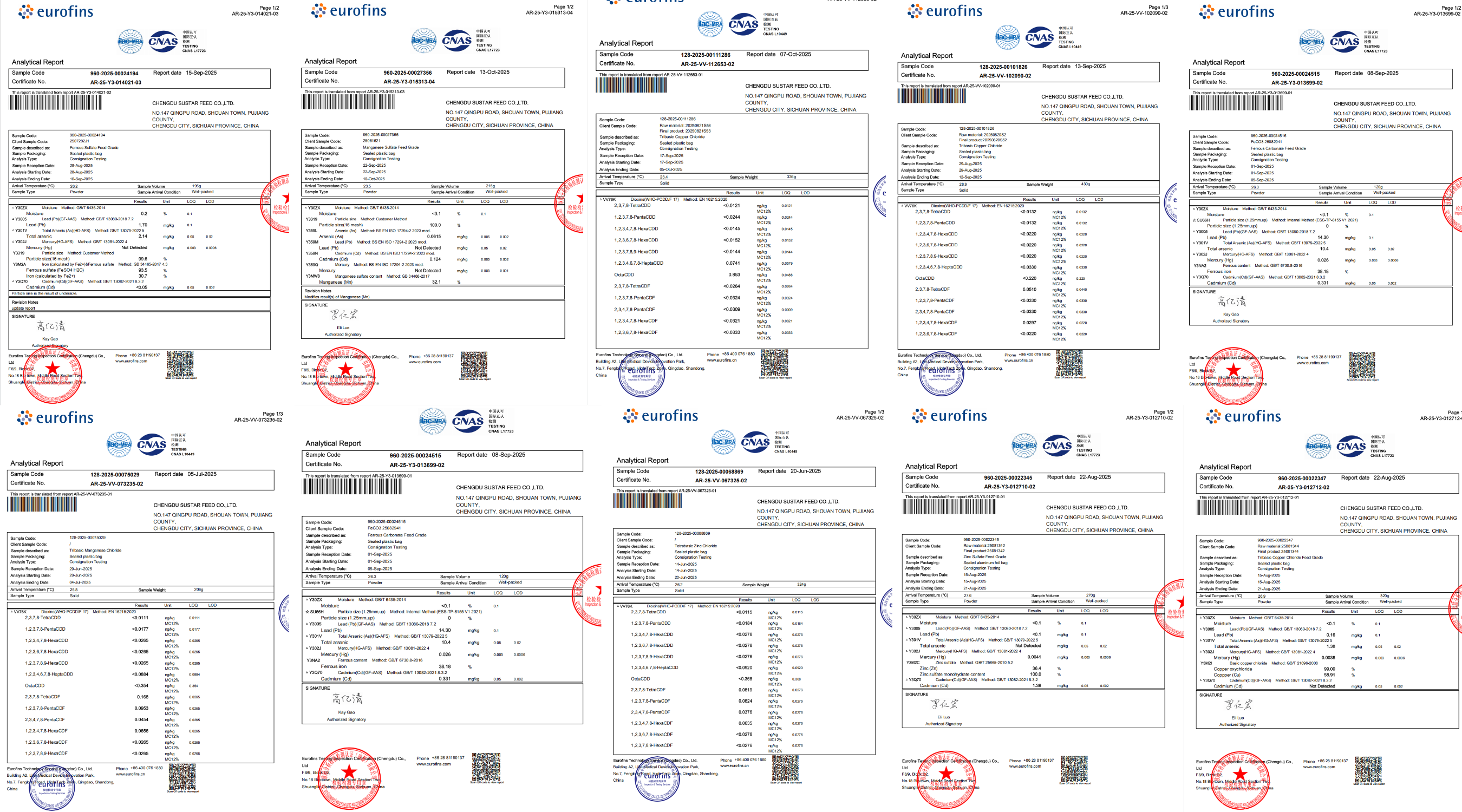
We provide test reports for each batch of our products, such as heavy metals and microbial residues. Each batch of dioxins and PCBS complies with EU standards. To ensure safety and compliance.
Assist customers to complete the regulatory compliance of feed additives in different countries, such as the registration and filing in the EU, USA, South America, Middle East and other markets.